

Online Security
How to Protect Your Personal and Financial Information
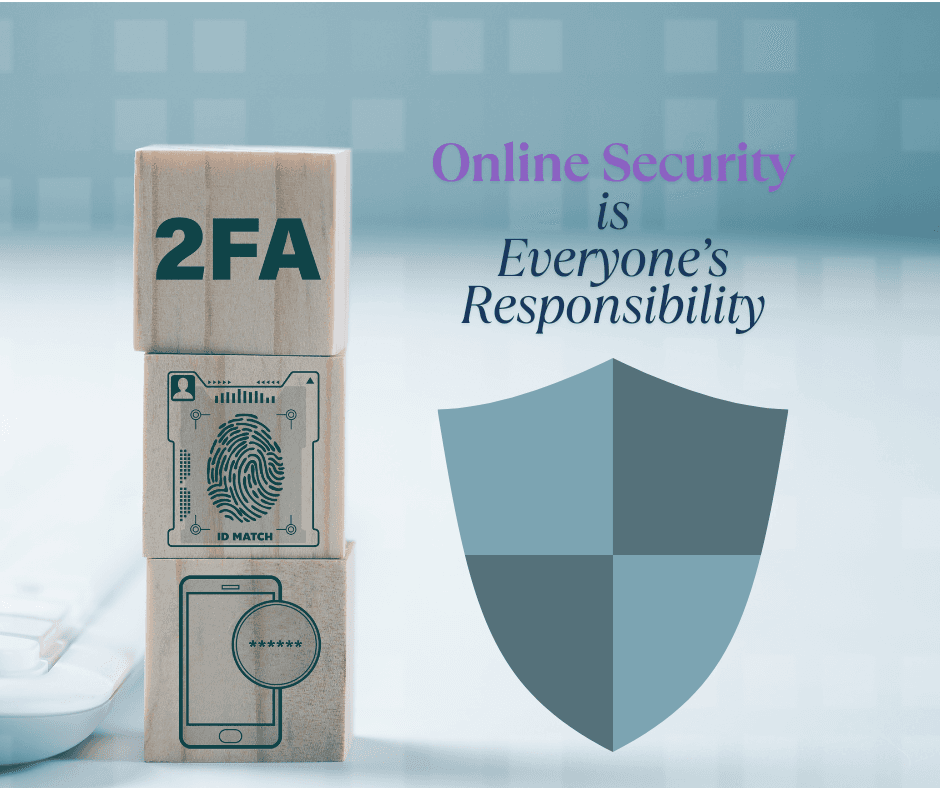
Online Security: How to Protect Your Personal and Financial Information
In today’s digital world, most banking, loan applications, and financial transactions happen online. While this makes life more convenient, it also means that protecting your personal and financial information has never been more important.
Cybercriminals are constantly finding new ways to trick people into sharing sensitive details such as passwords, bank information, or identification documents. Understanding how to stay safe online can help protect your identity, finances, and peace of mind.
Why Online Security Matters
When applying for a home loan or financial product, you may be required to provide personal documents such as identification, bank statements, tax returns, and income details.
If this information falls into the wrong hands, it can be used for identity theft or financial fraud.
Taking a few simple precautions can significantly reduce the risk.
Common Online Scams to Watch For
Phishing Emails
Phishing emails are designed to look like they come from legitimate organisations such as banks, lenders, or government departments. They often ask you to click a link or provide sensitive information.
Signs of phishing emails include:
Urgent requests for personal information
Suspicious email addresses
Spelling or grammar mistakes
Links that redirect to unfamiliar websites
Fake Websites
Scammers sometimes create websites that look very similar to legitimate companies. These sites are designed to collect login details or personal information.
Always check the website address carefully and ensure it begins with https://.
Phone and SMS Scams
Scammers may call or send text messages pretending to be from banks, lenders, or government agencies. They may request verification codes, passwords, or payment details.
Remember: Legitimate organisations will never ask for your passwords or banking PINs.
Simple Steps to Protect Yourself Online
Use Strong Passwords
Create unique passwords for each account and avoid using easily guessed information such as birthdays.
A strong password should include:
Upper and lowercase letters
Numbers
Special characters
Enable Two-Factor Authentication
Two-factor authentication (2FA) adds an extra layer of security by requiring a verification code in addition to your password.
Avoid Public Wi-Fi for Financial Transactions
Public Wi-Fi networks can be insecure. Avoid accessing banking or financial accounts when using public networks.
Keep Your Devices Updated
Ensure your phone, computer, and apps are regularly updated with the latest security patches.
Verify Before Sharing Documents
When sending personal documents such as bank statements or identification, make sure you are using secure channels and dealing with trusted professionals.
How We Protect Your Information
At Sandhu Finance, protecting our clients’ personal information is a top priority. We follow strict data protection practices and use secure systems when handling sensitive documents and financial information.
We also encourage clients to remain vigilant and contact us immediately if they receive any suspicious messages claiming to be from our business.
If You Suspect a Scam
If you believe your personal information may have been compromised:
Contact your bank immediately
Change your passwords
Report the incident to Scamwatch Australia
Inform any financial service providers involved
Taking quick action can reduce the potential impact of fraud.
Final Thoughts
Online security is a shared responsibility. By staying informed and taking simple precautions, you can protect yourself from many common scams and cyber threats.
If you ever receive suspicious communication regarding your loan, financial documents, or personal information, please contact our team directly to verify the request.
Disclaimer: This article provides general information only and does not constitute financial or cybersecurity advice. Readers should seek professional advice tailored to their individual circumstances.